
The world experiences mineral supply constraints indirectly, through volatility, delays, cost escalation, or concentration risk downstream. Those effects originate far upstream, in the physical systems - mining operations - that supply raw materials modern economies depend on.
Every industrial capability that defines modern life, including building, moving, powering, communicating, manufacturing, and defending, depends on mineral production that originates in operating mines long before finished products appear. These mines operate under real constraints shaped by geology, time, capital, energy, logistics, permitting, and skilled labor.
Mineral supply behaves differently from many other inputs because substitution is limited and expansion follows long lead times. When supply fails to keep pace with demand, downstream systems experience cost volatility, reduced redundancy, and strategic exposure. The earliest stages of the mineral supply chain shape everything that follows.
This upstream space is where Scout leverages our expertise. Scout is built to work at the earliest stages of the supply chain, applying technical discipline across the long timelines required to discover and build the mines of the future.
The narrowest point in the mineral supply chain is discovery. Discovery determines the future inventory of economically viable deposits that can support development years or decades later. Every subsequent stage depends on this early reality.

The pathway from first exploration concept to a producing operation often spans many years and frequently decades. Exploration, delineation, engineering, permitting, financing, construction, commissioning, ramp-up. Once supply pressure appears, discovery cannot accelerate quickly enough to respond.

High-quality, accessible deposits are finite and unevenly distributed. As the most obvious opportunities are explored, new discoveries increasingly occur deeper, in more complex settings, or in environments that require stronger technical interpretation.

Exploration operates under uncertainty, and success rates remain low for inexperienced teams. Long-term supply depends on disciplined systems that reduce uncertainty, test meaningful hypotheses, and allocate capital toward the highest-leverage geological questions.
Scout is structured around this reality. Our company is designed to pursue discovery through disciplined exploration systems that minimize uncertainty, deploy capital deliberately, and operate across the timelines required for discoveries to mature into future supply.
For long-term investors, this reality reframes risk. The same constraints that limit rapid supply response also create durable opportunities for exploration systems capable of operating across uncertainty and time. Discovery does not only reward speed. It rewards structure, discipline, and persistence applied early enough to matter later.
Mineral supply is shaped by structural forces that persist across commodity cycles.
For investors, the distinction is not between exploration and no exploration, but between systems that consume capital reactively and those that deploy it deliberately in pursuit of sustained discovery.
Scout applies this discipline as a core operating principle. We treat uncertainty as a condition to be worked down through technical rigor and repeatable process, aligning capital with exploration systems that compound geological understanding and support durable discovery.
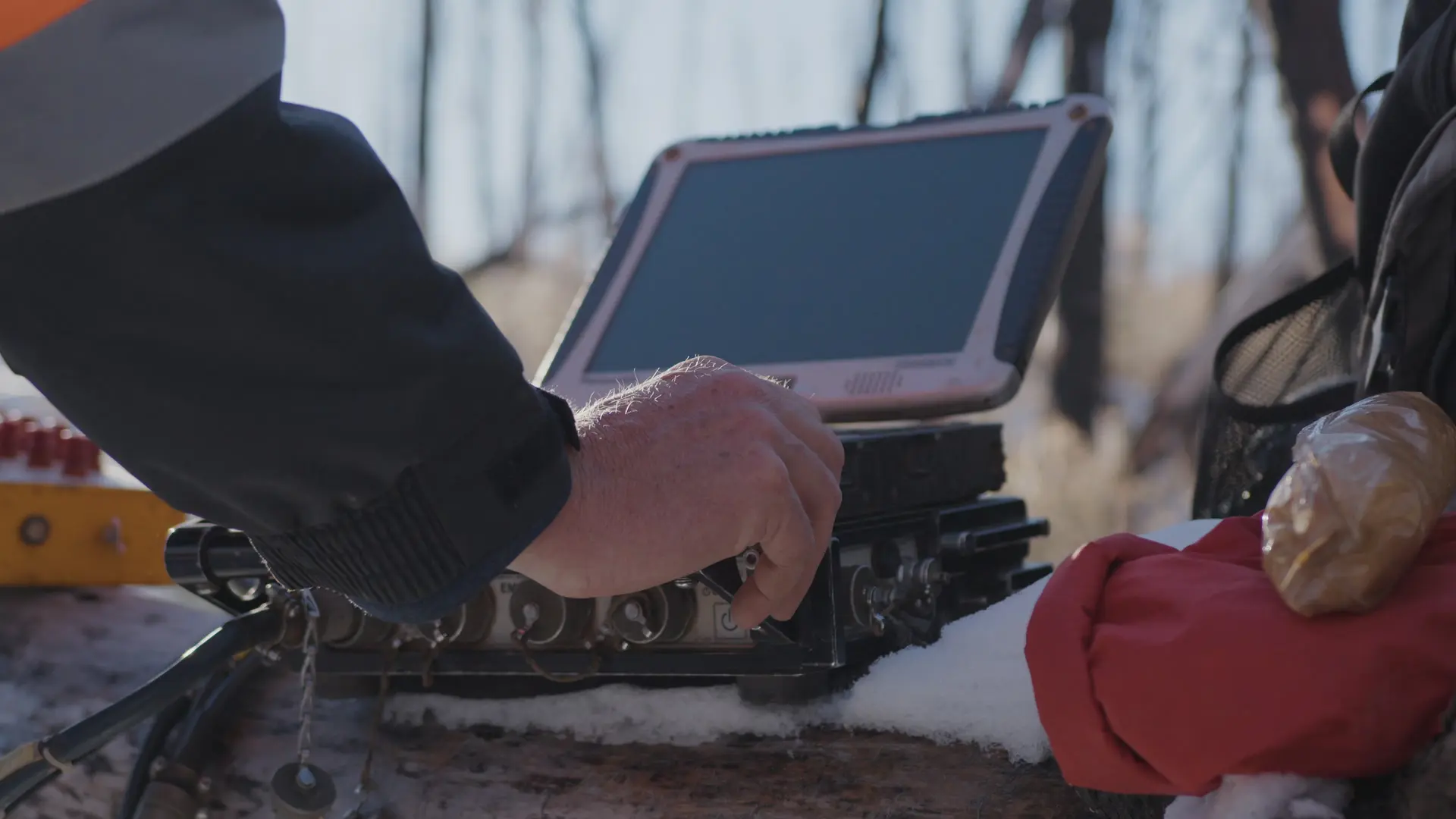
Signal Over Noise
High-quality exploration systems prioritize signal over noise. Evidence that reduces uncertainty and strengthens interpretive coherence carries more weight than disconnected data accumulation.
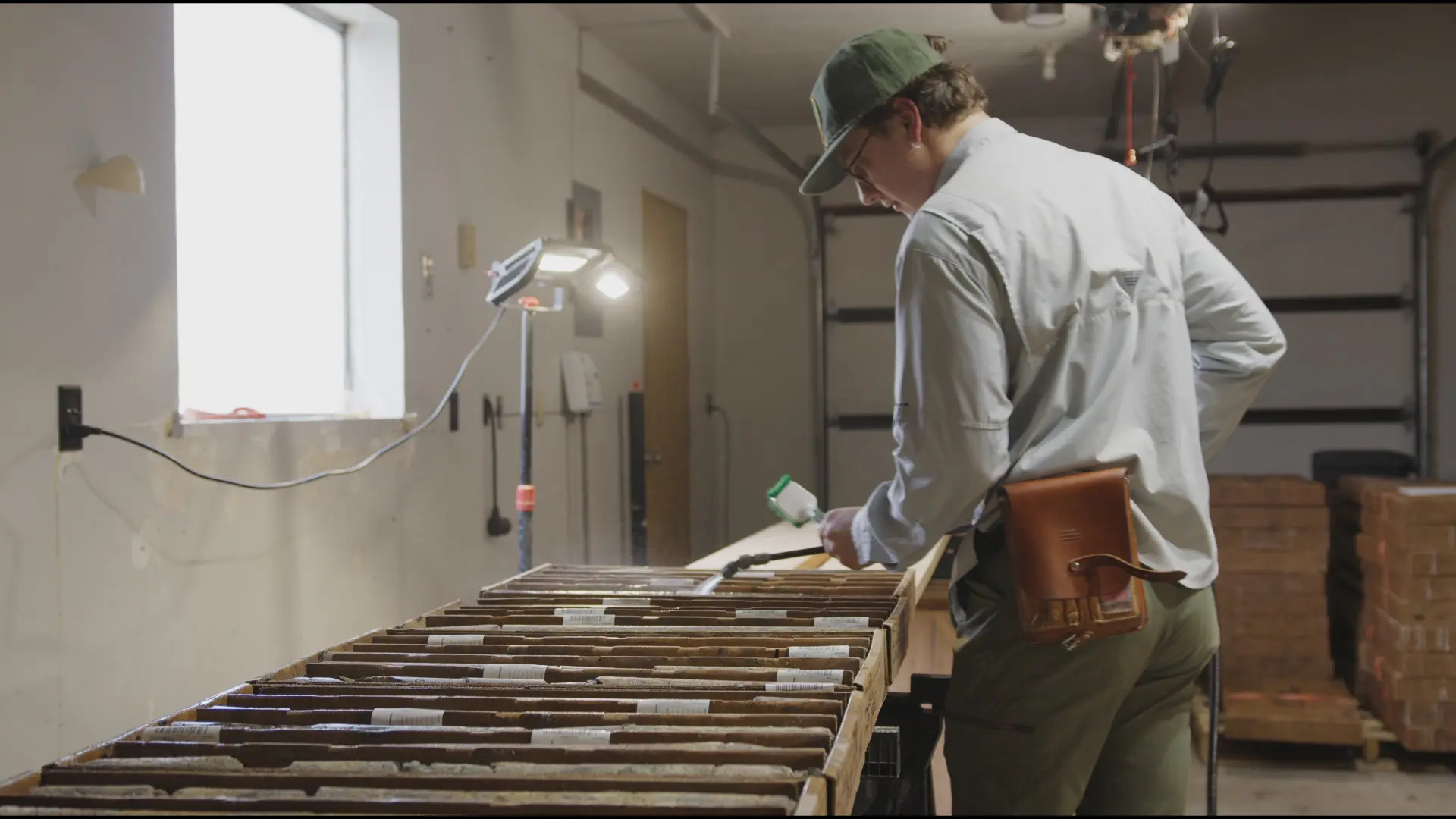
Interpretation Continuity
Interpretation continuity shapes results. When geological understanding degrades across handoffs, target rationale weakens, drilling tests lose meaning, and decisions drift away from technical grounding.
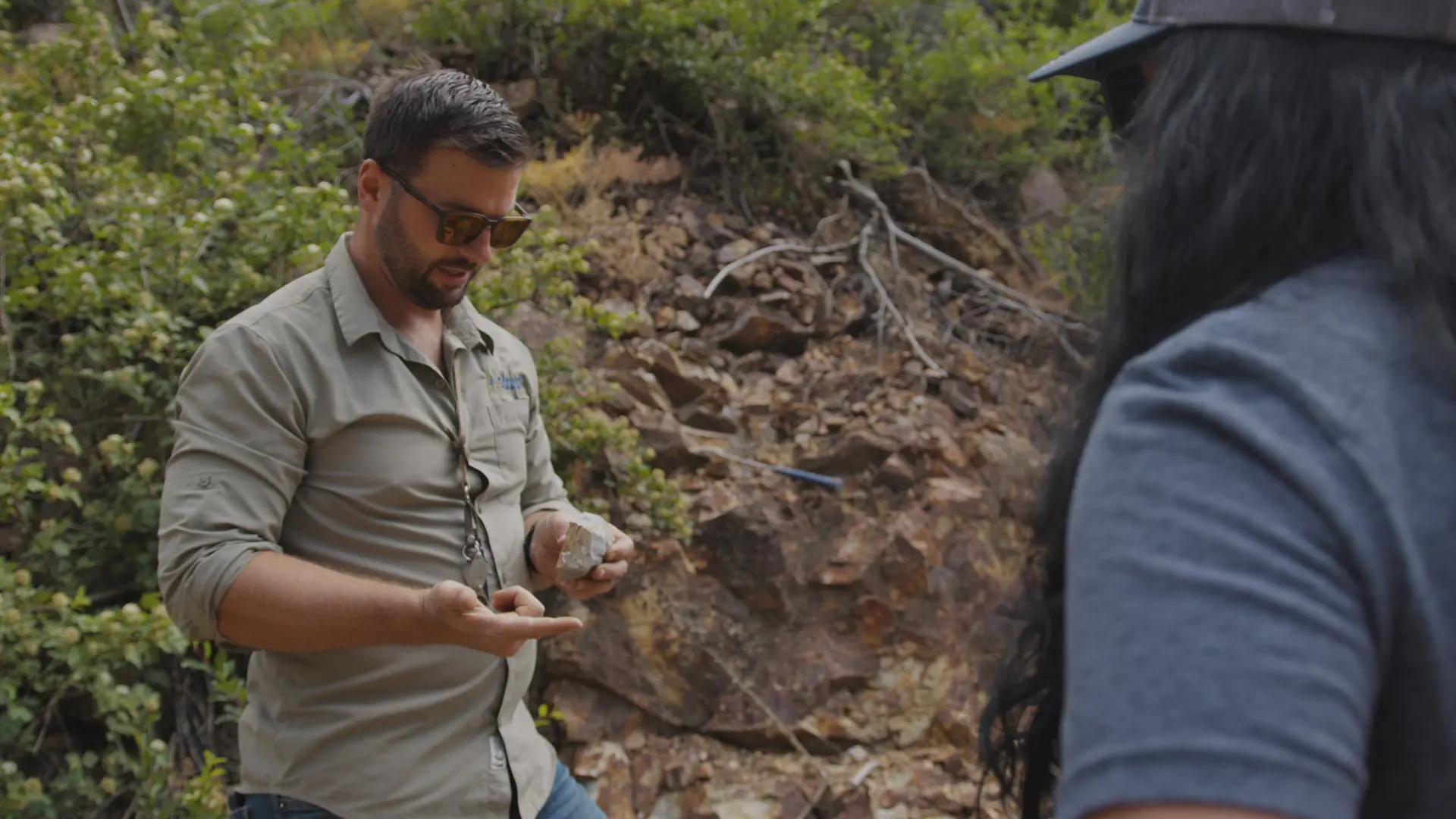
Decision Discipline
Decision discipline protects capital. Strong systems define meaningful tests, evaluate outcomes against clear framing, and adjust direction based on evidence. This discipline increases the probability that a portfolio produces discoveries capable of supporting advancement.